With the holidays fast approaching and my Christmas trip to Texas, I never stood a chance of posting some more pix from my last visit to the horses last year. Although it was a cloudy, grey day, I spent quite a bit of time with Chrome’s, Hollywood’s and Comanche’s bands – heaven. So I’m going to try to get some more photos up of various horses before I hopefully head out again this week for my first visit of 2011!
Something I’m tremendously excited about is a two-part visit, starting this week and ending next week, to a local elementary school to talk to three students for a project they’re doing about horses! I’m talking about wild horses – of course! They’ll learn more about horses from other people involved in different aspects, including a local equine rescue group, throughout the month. I’ve been speculating about ways to get local kids involved with our mustangs for a couple of years now, so I hope this is the start of something we can continue annually. Later in the spring, I’ll take the students out to Spring Creek Basin for an up-close look at OUR mustangs in the wild. I can’t wait to learn about the students and find out what they’re most interested in regarding horses. I bet they have some super questions!
I’m also excited about being a tour leader for the third year (stymied last year because of rain) to the Spring Creek Basin mustangs during the Ute Mountain Mesa Verde Birding Festival. The link is to last year’s information, but they should be updating it soon. My tour will be Thursday, May 12. If you’re local, sign up! I think the cost is about $60, and it includes travel, some birding along the way to the basin and back, and lunch. Hopefully the weather will cooperate this year! About a dozen people on the tour meet in Cortez and drive out to the basin, where I meet them, and we drive in to look for horses, talking about all kinds of things related to the horses along the way. The Forest Service, a partner in the festival, always has a couple of people along to answer questions about San Juan Public Lands. The year before rain put a damper (sorry) on our plans, we saw almost all the horses.
Our NMA/CO group also plans to do some educational presentations around the region this year. I’ll have more information as we make those plans.

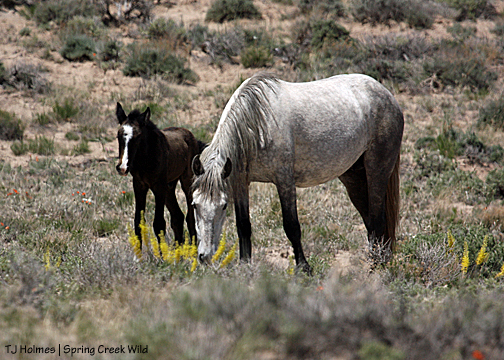
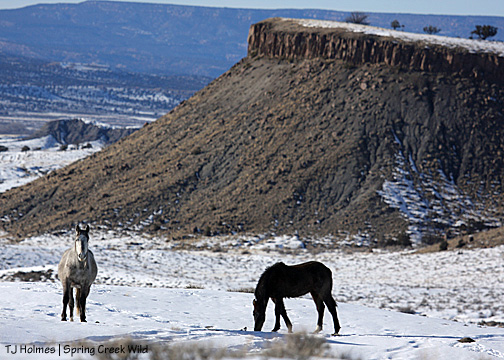
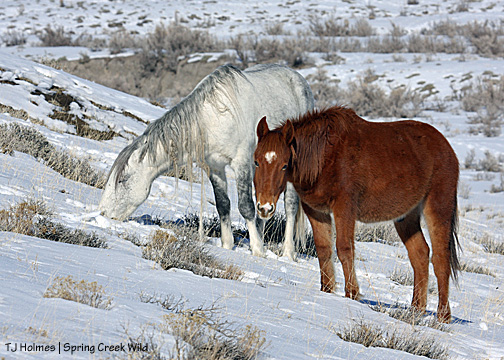
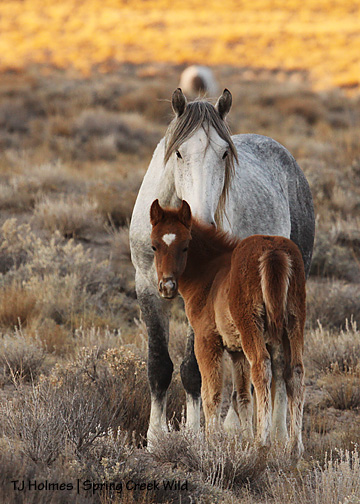
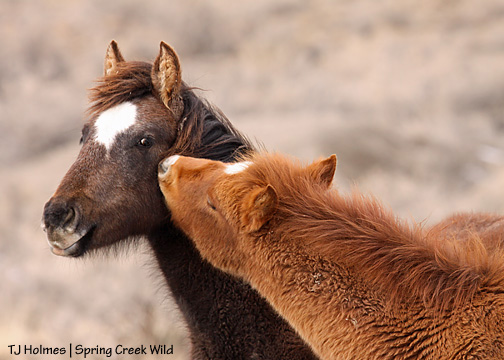
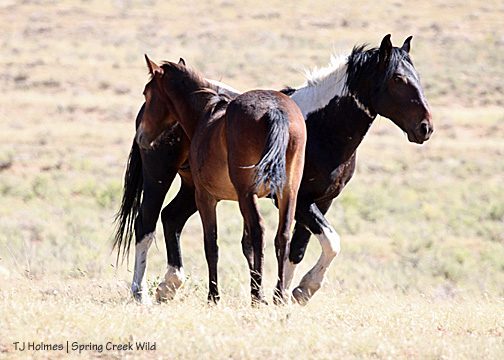
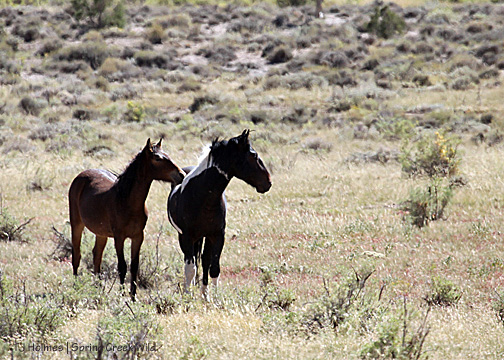
Chrome and Hayden
Now for some heavy stuff. This year, Spring Creek Basin will see another roundup. It’s on the BLM schedule for Sept. 17-21. It hasn’t taken that long in the past, but I plan to be there for every day of it this year, and my fervent hope is that BLM will give the go-ahead for a fertility control program using native (annual) PZP and volunteer darters. We (NMA/CO) have been encouraging fertility control since the last roundup, and we made a formal proposal last year to use PZP (not PZP-22) and volunteer darters. In light of that, with my growing feeling of responsibility to provide as much information as I can as I learn and observe, I will be writing some posts this year that I hope are, in fact, educational and informative. My opinion (and it is an opinion) varies a bit from some of the “mainstream advocacy groups.” I do HATE roundups, but I DO support fertility control, and I do NOT support “let nature take its course,” aka starvation, and even with fertility control, I foresee roundups (we hope for bait trapping over helicopters) in the future, hopefully lessened.

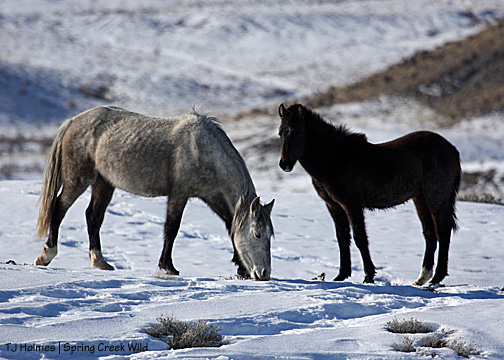
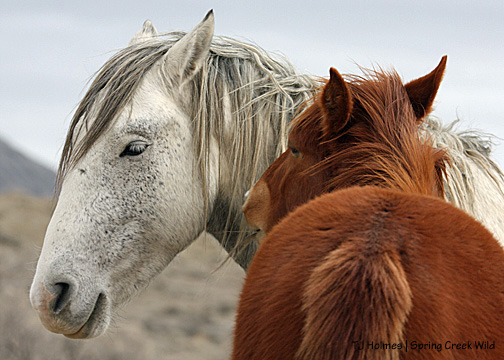
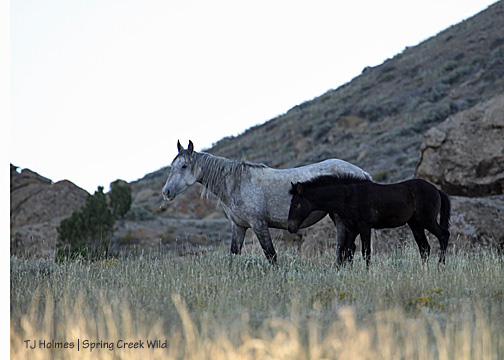
Chrome and Rio
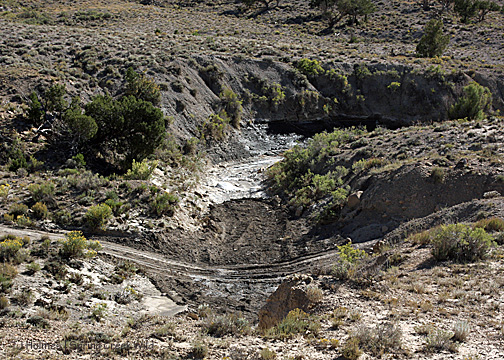
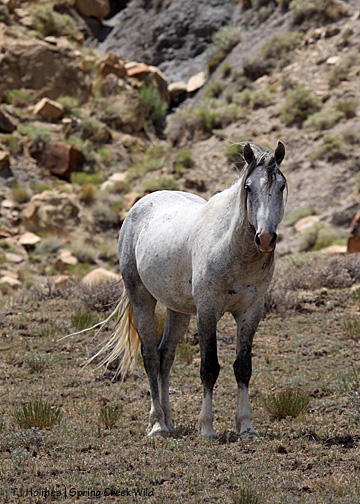
The horses are in great shape. Five water holes have been dug out in the last two years. We got rain last summer (a lot of rain).
Do I want to stop the roundup? No.
Yes, we will say goodbye to many horses this fall. Will it break my heart? It has been breaking a little every day for the last few years in anticipation.
Does this seem contradictory?
The basin is fenced. It is finite. It cannot support an infinite number of horses. I would rather see fewer horses removed WHILE THEY ARE HEALTHY than many, many horses removed in the very lean condition they were in during the 2007 roundup and before the basin’s grazing and water resources are so taxed. And I want to see fertility control started as soon as possible … so that the next roundup may be years and years and years away. And it is also my hope that by saving such an incredible amount of money by reducing the frequency of roundups, as well as fewer Spring Creek Basin horses going to interminably long-term holding, we might set BLM’s sights on bait trapping – rather than helicopter-driven roundups – in the future.
Could we stop roundups altogether? I’m sure we could. Assateague Island did it. But I’m not sure we’re ready to go there just yet. That is a very intensive program – of necessity.
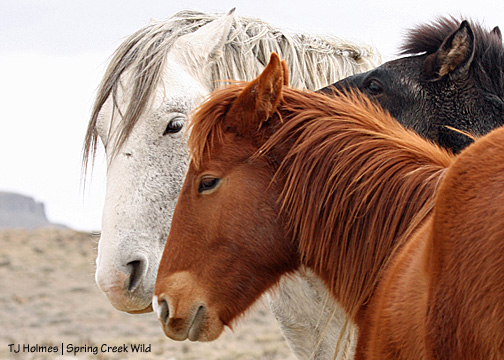
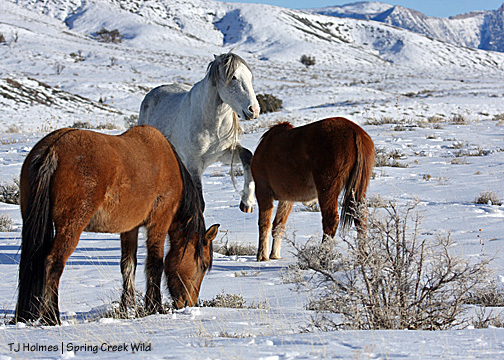
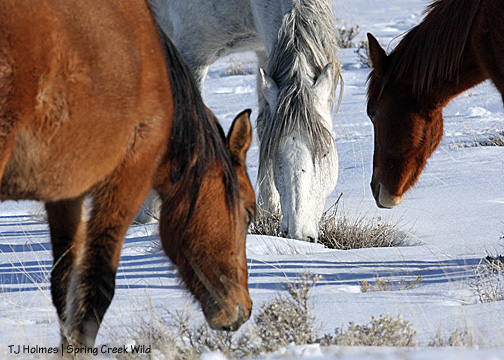
Chrome and Hayden and Rio
Linda on her Beautiful Mustang blog asked me a great series of questions about PZP, and has posted some of my answers, along with photos. Linda adopted a beautiful filly born in 2007 from Beatty’s Butte, Ore., and named her Beautiful Girl. And is she beautiful! (Really, she’s gorgeous!) More answers and photos to come. I’m really grateful to her for giving me another venue. My disclaimer: I am certified to handle and mix PZP and to dart, but I do NOT consider myself an expert. So I continue to read all I can and talk to people who ARE experts.
It was never my intention to use this blog as a political platform, rather I want it to be about the HORSES. Mustangs are an incredibly emotionally charged subject – and rightly so. I still don’t intend this blog to be political. Rather, I’d like it to be educational – both about the horses themselves and what they do for us – emotionally and otherwise – and what we can do for them. I want to encourage discussion and questions and come up with answers. As stated above, I don’t have all the answers, and lots of people have been working on this longer than I have! But after all this time – this year will be the 40th anniversary of the Wild and Free-Roaming Horses and Burros Act – we have enough information *to* CHANGE.
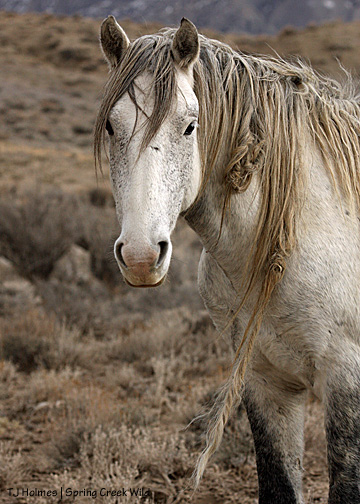
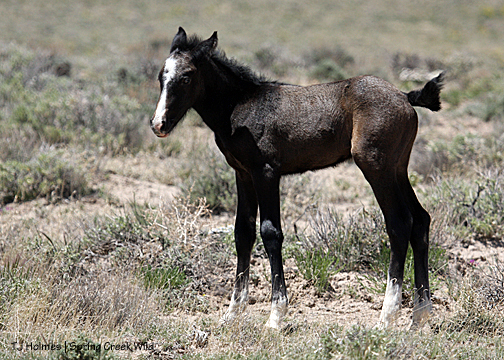
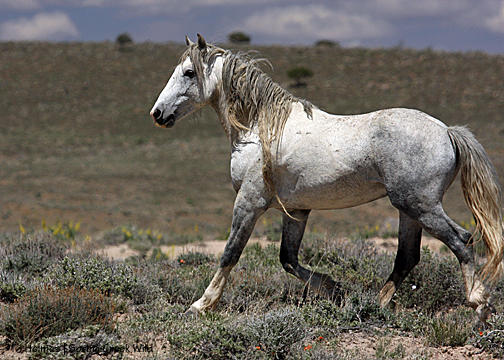
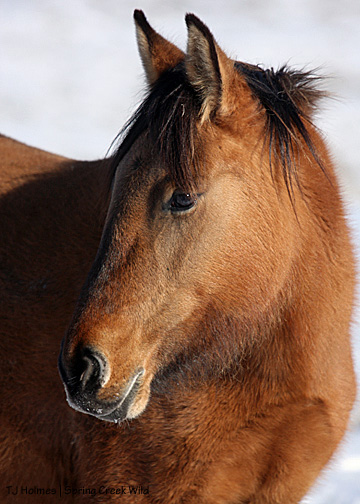
Chrome
I highly recommend at least these books:
Wild Horse Annie and the Last of the Mustangs by David Cruise and Alison Griffiths
Mustang: The Saga of the Wild Horse in the American West by Deanne Stillman
America’s Last Wild Horses by Hope Ryden
Please recommend others, if you like, but I found these books to tell an amazing and not always happy history of horses and humankind. I read Mustang first, about two years ago; it was published in 2008 . Last winter, I read America’s Last Wild Horses for the first time, first published in 1970, and I was struck by one major thought: Nothing has changed. I read Wild Horse Annie right after Christmas, and I thought again: Why has nothing changed? It’s not for lack of letters. Not for lack of schoolchildren – and adults – writing and writing and writing, talking and cajoling and pleading and demanding and insisting that wild horses be protected and managed in the wild.
Why has nothing changed?!
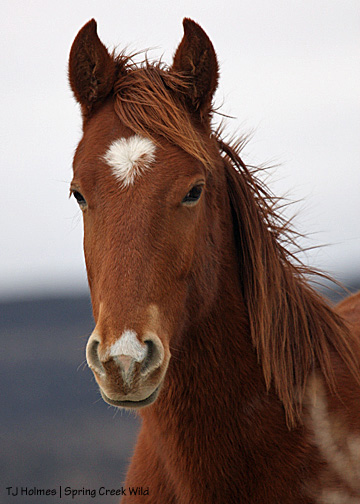
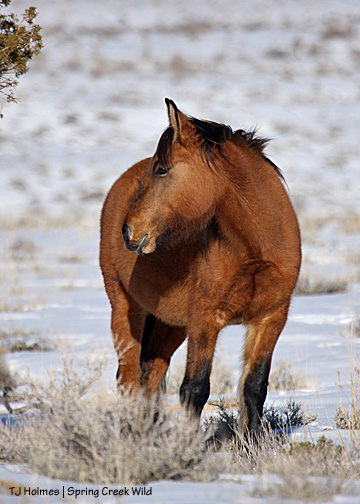
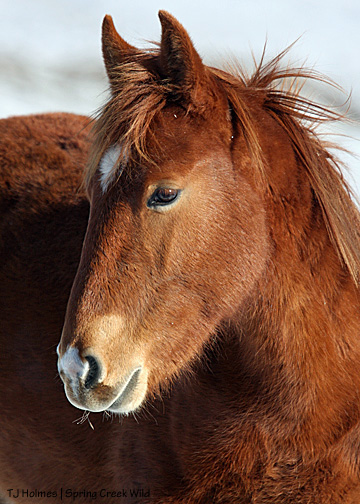
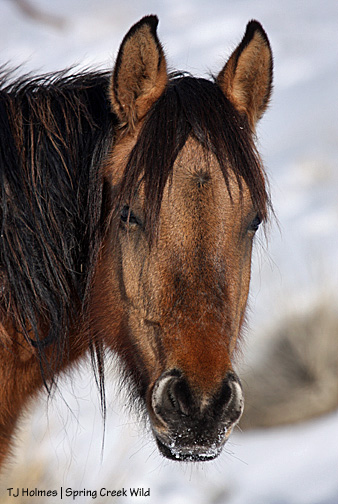
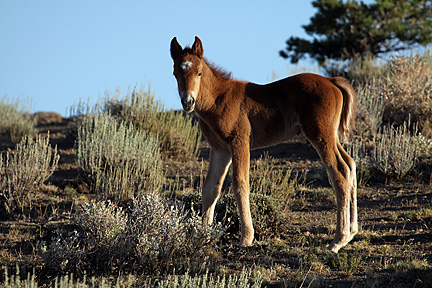
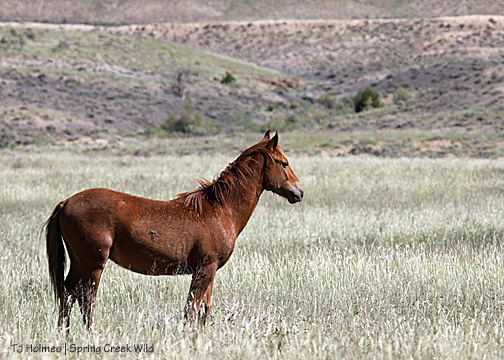
Hayden
I don’t know, but I share the conviction of many, many people that it has to and will.
I joined this fight – and it obviously is one – just a few years ago. I know people who have been fighting for 30 years. Best science is available, and many people are willing to carry it out for the benefit of our mustangs.
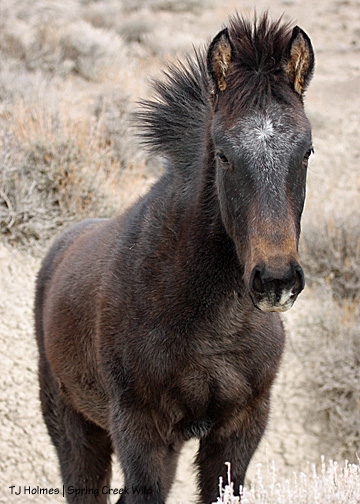
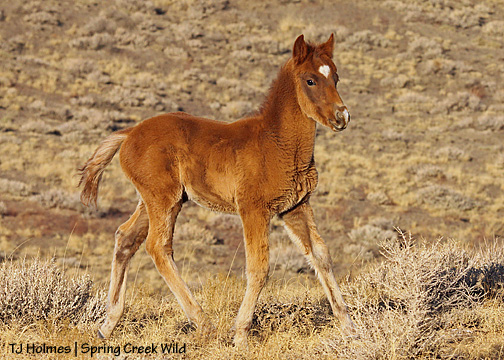
Rio
On my little blog, I’ll put out my opinion (what a scary proposition) and try to be a little more detailed about what we’re trying to do in our little corner of the wild horse world. And I’ll always – always – keep it about the horses.
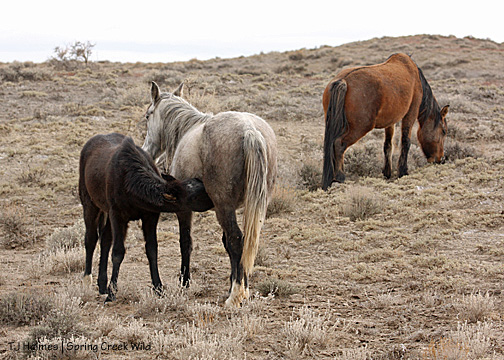
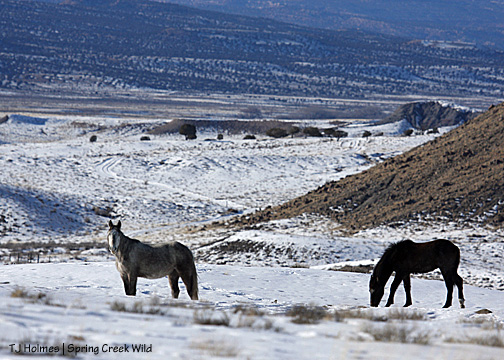
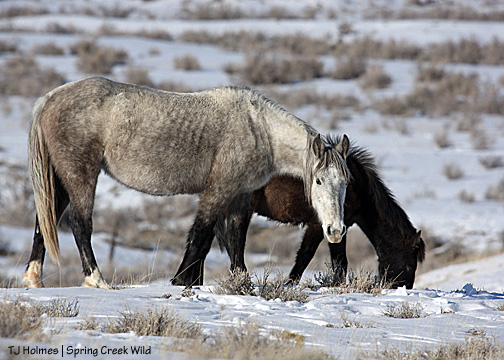
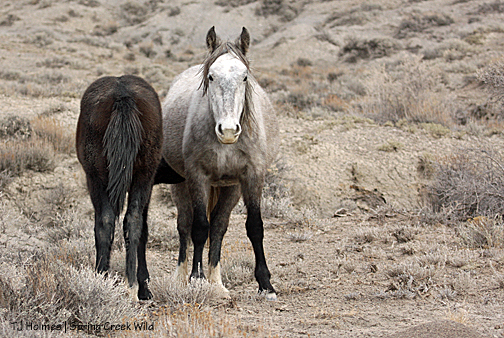
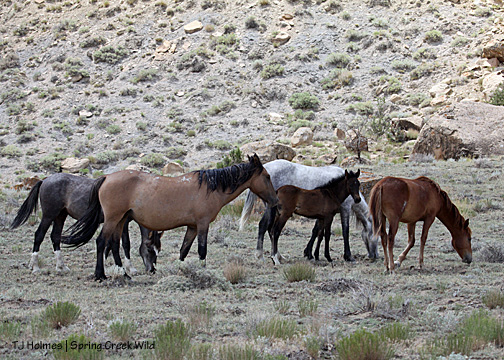
Rio, Two Boots and Jif



































 Spring Creek Basin Mustangs